Prioritizing Quality Investments: Why Choosing the Best Restaurant Equipment Strengthens Your Revenue
In the fast-paced restaurant business, the selection of appliances can greatly impact financial performance. Quality appliances enhance efficiency and safety as well as lowering running expenses. While evaluating foodservice equipment, elements including energy conservation, ergonomic design, and multi-functionality are critically important. Grasping these considerations helps achieve superior service delivery and enhanced customer experience. Despite this, several operators fail to recognize the enduring value of thoughtful financial commitments. What considerations should be prioritized to maximize returns?
Why Quality Equipment Matters in the Restaurant Industry
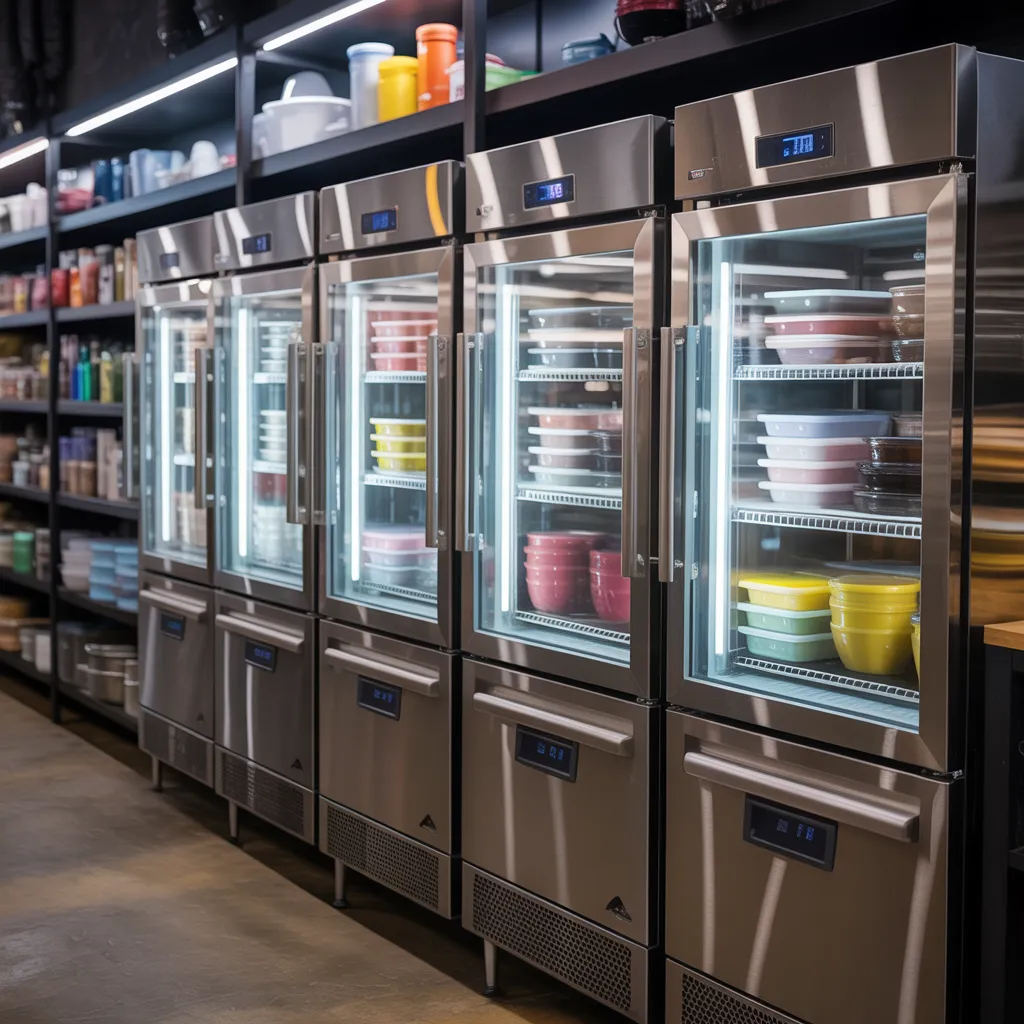
Quality equipment serves as the backbone of any successful restaurant operation. By investing in top-tier tools and appliances, restaurant owners can boost efficiency, safety, and overall service quality. Reliable equipment minimizes downtime and repair costs, allowing staff to focus on delivering exceptional customer experiences. Moreover, durable appliances often feature advanced technology that can improve cooking precision and consistency, vital for maintaining menu standards.
Furthermore, superior equipment contributes to improved energy efficiency, lowering operational expenses in the long run. This serves to strengthen the bottom line while also promoting sustainable practices throughout the industry. The initial investment may seem substantial, but the long-term benefits often outweigh the costs. In the end, investing in quality equipment enables restaurant owners to optimize their operations, satisfy customer demands, and cultivate an inviting dining environment, making it an essential factor in the highly competitive restaurant industry.
Essential Features to Consider When Choosing Restaurant Equipment
When evaluating restaurant equipment, multiple important factors require thoughtful evaluation to achieve maximum efficiency and long-term reliability. Durability is critical; equipment should withstand the rigors of daily use in a bustling kitchen. Additionally, simplicity of maintenance serves a crucial function; equipment that simplifies cleaning and servicing can reduce downtime and labor costs.
Adaptability is another important aspect, allowing chefs to utilize equipment for multiple purposes, improving menu variety. Scale and capacity ought to be examined to confirm that items integrate within the kitchen design while meeting production demands. Moreover, user-friendly interfaces facilitate quicker staff training and operational efficiency.
Finally, review the warranty coverage and support offered by the manufacturer, as reliable service options can reduce possible problems. By considering these critical factors, foodservice operators can arrive at educated conclusions that increase operational performance and success.
Energy Efficiency: A Critical Element for Cutting Operating Costs
Energy efficiency emerges as a vital consideration in lowering operational expenses for restaurants, especially in a sector known for its narrow profit margins. Purchasing energy-efficient appliances can result in substantial reductions in utility expenses, which frequently represent a large share of total operating costs. For instance, ENERGY STAR-qualified devices use less power while delivering consistent results, enabling restaurants to run more efficiently and cost-effectively.
Additionally, high-performance equipment typically lasts longer, decreasing how often replacements are needed and their associated costs. This helps reduce capital expenditures while also cutting down on waste.
Beyond financial benefits, embracing energy-conscious strategies can strengthen a restaurant's image, drawing in sustainability-minded patrons. Given the ongoing rise in energy expenses, emphasizing efficiency proves to be a sound financial choice as well as a market differentiator. Through investing in energy-saving technology, food service proprietors can meaningfully boost their financial performance while advancing environmental sustainability.
How Ergonomics Can Improve Workplace Productivity
In the restaurant industry, ergonomics serves a vital function in improving employee productivity. By streamlining workflow processes, lowering the likelihood of workplace injuries, and improving staff comfort levels, restaurants are able to establish a more productive workplace. This investment not only benefits staff but also contributes to overall operational success.
Optimized Workflow Performance
Enhancing productivity in restaurant settings depends on the integration of ergonomic principles. By creating work environments that promote natural body movements, restaurants can enhance efficiency. Layout design, equipment placement, and accessibility significantly contribute to decreasing undue physical burden. For instance, adjustable workstations help team members complete duties efficiently, improving accuracy and productivity. Additionally, strategically placed tools and supplies minimize excessive reaching and bending, facilitating a smoother workflow. When employees can operate with ease and fluidity, they are more likely to maintain focus and productivity. Committing to ergonomic improvements not only improves efficiency but also promotes a well-structured workspace, ultimately leading to enhanced guest experiences and operational excellence. Through careful selection of tools and fixtures, restaurants can realize meaningful improvements in workflow performance.
Reduced Injury Risks
Implementing ergonomic strategies in food service environments significantly reduces the likelihood of injuries among team members. By incorporating user-friendly equipment, such as adjustable-height workstations and anti-fatigue mats, establishments can reduce the bodily stress on workers. Well-engineered tools, like easy-to-handle utensils and smoothly maneuverable carts, further alleviate the risk of repetitive strain injuries. Teaching workers about ergonomic standards, such as safe lifting practices and good posture habits, builds knowledge and fosters safer conduct. These practices not only benefit workers but also bring about a decline in workplace mishaps, therefore decreasing operational disruptions and related expenditures. Ultimately, investing in ergonomic equipment and training cultivates a more secure workplace, which can enhance overall staff productivity and morale.
Increased Employee Comfort
Boosting employee satisfaction by means of well-designed design significantly boosts staff productivity in foodservice workplaces. Through investing in tools that focuses on worker comfort, dining establishments can build a working atmosphere that minimizes physical stress and exhaustion. Adaptable work surfaces, ergonomically designed seating, and well-crafted culinary equipment allow staff to carry out responsibilities more efficiently and comfortably. This not only leads to higher productivity but also fosters a supportive work environment, which can enhance employee morale and retention. Furthermore, well-supported staff are less likely to face workplace exhaustion, contributing to reduced staff turnover and associated expenses. At its core, adopting ergonomic practices is a wise investment that enhances operational efficiency and positively impacts the business's long-term profitability. By prioritizing comfort, foodservice operations can cultivate a highly efficient team.
Choosing Food Service Equipment That Improves Guest Experience
A well-chosen selection of commercial kitchen equipment can significantly enhance the general dining atmosphere for guests. Premium equipment, such as state-of-the-art coffee makers or high-precision ovens, ensure that food and beverages are served at ideal temperatures and flavors, boosting customer satisfaction. Moreover, attractive dining equipment, like stylish dishware or unique serving tools, enhances the establishment's atmosphere and strengthens its brand image.
Optimized kitchen equipment simplifies workflow, permitting employees to deliver meals efficiently, which is critical for maintaining patron satisfaction. In addition, appliances that ensure food safety, such as reliable refrigeration units, establishes assurance and trust among guests.
Furthermore, digital advancements, like digital menu systems, can tailor the dining experience, making it increasingly engaging and pleasant. When prioritizing equipment that emphasizes aesthetics, performance, and quality, restaurateurs can dramatically boost the overall dining experience, driving return visits and glowing referrals.
Why Flexible Equipment Is Essential for Menu Adaptability
Multi-functional equipment is vital for helping restaurants adjust their offerings to suit shifting culinary trends and patron demands. Through the integration of versatile kitchen tools, dining venues can swiftly react to industry changes without requiring substantial financial outlay on additional equipment. For instance, a combi oven can steam, bake, and roast, allowing chefs to experiment with diverse dishes while upholding reliable standards of excellence.
This adaptability not only improves innovation in menu development but also optimizes kitchen workflows, decreasing prep time and reducing food waste. Establishments with adaptable tools can swiftly respond to seasonal produce or growing dietary movements, such as plant-based options or gluten-free offerings.
At its core, investing in flexible equipment allows restaurants to maintain their competitive edge and relevance, cultivating an engaging dining experience that draws in and retains loyal customers. The flexibility to update menus effortlessly represents a critical strategy for achieving sustained growth in the rapidly shifting culinary landscape.
Strategies for Prolonging Equipment Lifespan
To extend the service life of foodservice equipment, establishing a consistent maintenance routine is essential. Moreover, employing effective cleaning methods can minimize deterioration, while detailed employee training protocols ensure that employees operate equipment properly. Collectively, these methods build a foundation for longevity and reliability in commercial kitchen operations.
Standard Maintenance Schedule
Even though many restaurant owners concentrate on acquiring high-quality equipment, ignoring consistent maintenance can cause costly repairs and diminished equipment longevity. Establishing a regular maintenance schedule is essential for ensuring that equipment operates efficiently and reliably. This schedule should include routine checks and servicing of key components, such as filters, seals, and electrical connections. It is advisable to document maintenance activities to track performance and identify recurring issues. Moreover, teaching staff to spot early warning signs of wear can keep minor issues from developing into larger problems. By prioritizing maintenance, restaurant owners can minimize downtime, enhance food safety, and ultimately extend the life of their investments. A preventive approach to equipment upkeep results in considerable long-term cost savings for the business.
Correct Cleaning Methods
Ensuring proper sanitation is critical for extending the lifespan of restaurant equipment. Regular cleaning eliminates the accumulation of grease, food particles, and other contaminants that can cause equipment deterioration and mechanical breakdown. Selecting the right cleaning products is essential; strong chemicals risk damaging delicate surfaces, while gentle, food-grade cleaning solutions thoroughly eliminate buildup without causing damage. Workers should apply appropriate cleaning practices, such as using soft cloths and non-abrasive sponges, to protect fragile equipment surfaces. Moreover, regular thorough cleaning sessions should be planned to tackle overlooked and hard-to-reach zones and ensure complete cleanliness. Carefully observing equipment-specific guidelines provided by manufacturers is essential, as different equipment types require unique cleaning approaches. Embracing these cleaning strategies plays a key role in maximizing equipment durability and sustaining optimal functionality in a fast-paced restaurant environment.
Professional Operator Training Programs
Implementing comprehensive staff training programs is vital for extending the operational life of restaurant equipment. These programs guarantee that staff comprehend the proper operation and upkeep of each piece of equipment, lowering the chance of careless handling and unexpected damage. Training should include practical techniques, safety protocols, and regular maintenance procedures, all tailored to individual equipment categories. Routine follow-up sessions can solidify effective practices and incorporate any new machinery integrated into the kitchen. Moreover, cultivating a sense of responsibility inspires staff to become invested in equipment care. By investing in thorough training, restaurant operators can greatly extend the life of their equipment, consequently boosting performance and cutting long-term overhead. This deliberate plan contributes positively to the operation's profitability.
When Should You Replace Your Restaurant Equipment for Improved ROI?
What is the ideal time to upgrade restaurant equipment for the best possible ROI? Proper timing can have a major influence on overall profitability. Operators should consider upgrading when equipment frequently breaks down or requires costly repairs, as those expenditures may surpass the value of maintaining older appliances. Additionally, if the existing equipment fails to meet current health and safety standards, it can lead to fines or closures, which can seriously damage overall profitability.
An additional important sign is a considerable decrease in performance, such as longer cooking times or higher energy usage. Upgrading to energy-efficient models can reduce utility costs and boost overall performance. Furthermore, when the menu grows, it may call for equipment that can handle increased demand or advanced culinary processes. At the end of the day, assessing operational efficiency, expenses, and expansion will help operators determine the ideal time to acquire modern appliances, delivering enhanced profitability and a distinct advantage in the industry.
Frequently Asked Questions
What Is the Most Effective Way to Finance Restaurant Equipment Purchases?
To finance restaurant equipment purchases effectively, there are options to consider such as leasing, small business loans, or equipment financing. Comparing interest rates and terms guarantees the best choices aligned with the restaurant's particular financial needs and situation.
Which Brands Are Recognized for High-Quality Restaurant Equipment?
Several manufacturers are well-known for top-quality restaurant equipment, including Vulcan, Hobart, and True. These industry leaders are respected for their durability, performance, and reliability, making them top selections among restaurant owners aiming to upgrade their kitchens.
Are There Warranties Available for Restaurant Equipment?
Indeed, numerous producers provide warranties for commercial kitchen equipment, typically ranging from one to five years. Such warranties typically encompass parts and labor, providing assurance to operators concerning the lasting quality and performance of their investments.
How Can I Responsibly Get Rid of Old Restaurant Equipment?
To properly handle old commercial kitchen equipment responsibly, restaurant owners should reach out to nearby recycling facilities, act now give working items to nonprofit organizations, or engage professional disposal companies that follow established environmental standards, providing safe and environmentally sound material removal.
Which Trends in Restaurant Equipment Technology Should I Be Watching?
Emerging trends in restaurant equipment technology include power-efficient devices, intelligent kitchen equipment, process automation for streamlined operations, and green materials. Such advancements are designed to improve operational efficiency, cut overhead costs, and advance green initiatives within the industry.