Upgrade Your Celebration: Unforgettable Culinary Services for Every Occasion
Enhancing an event through catering demands thoughtful evaluation of numerous elements. The selection of catering approach can substantially impact the entire experience. Trends such as interactive food stations and sustainable ingredients are becoming increasingly popular. In addition, catering to dietary preferences and staying within budget are vital. Recognizing these aspects can turn an average gathering into a lasting impression. That said, selecting the right approach and service is necessary for reaching the intended outcome. How should one proceed from this point?
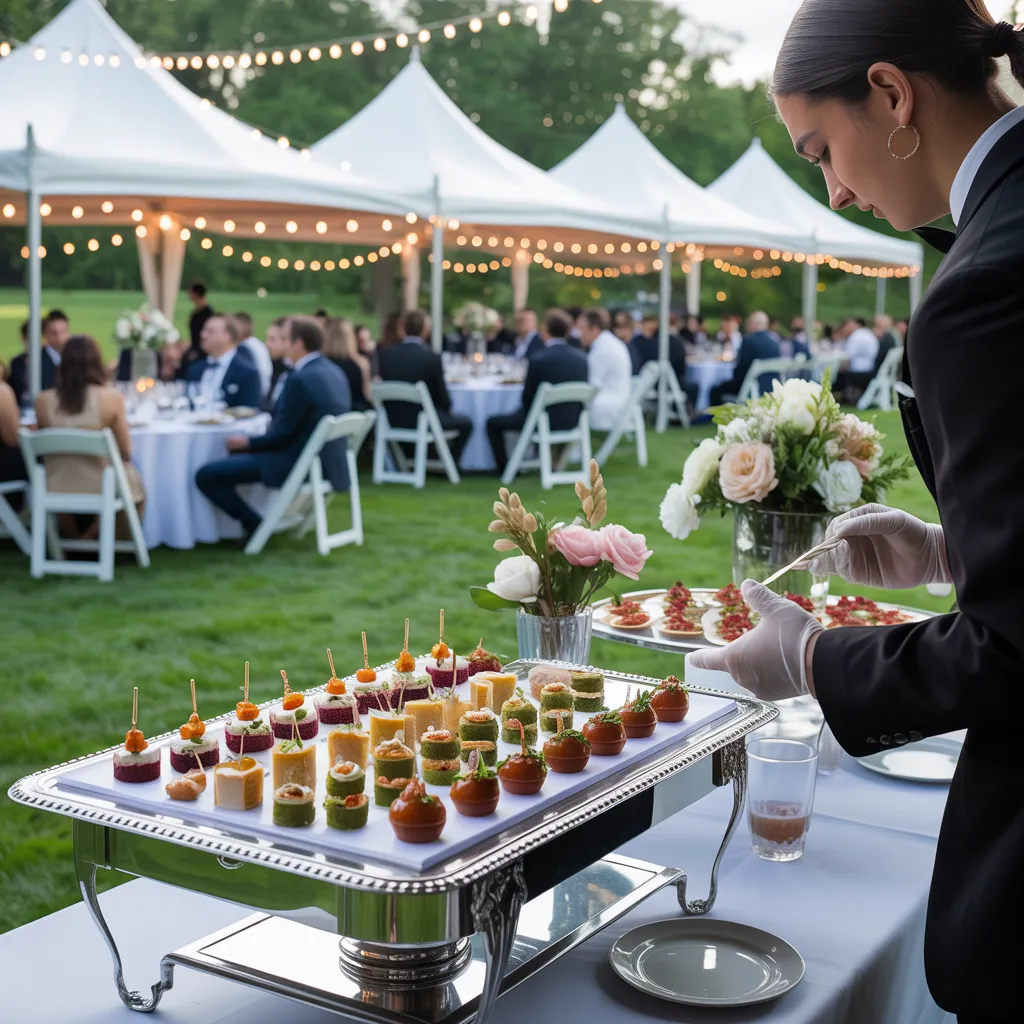
How to Find the Best Catering Style for Your Event
When organizing an event, how does one establish the most suitable catering style? The selection copyrights on several factors, including the nature of the event, guest count, and venue. Formal events, such as weddings or business events, typically warrant plated service, which offers an elegant dining experience. In contrast, casual events like social celebrations often benefit from family-style or buffet catering, fostering interaction and mingling among attendees.
An additional factor is the dietary preferences and restrictions of attendees, which necessitate a versatile menu that accommodates various needs. Additionally, the budget plays an essential role; some catering styles may be more cost-effective than others. Lastly, the intended event environment should align with the chosen catering style, whether it be sophisticated or laid-back. Ultimately, being aware of these considerations enables organizers to choose a catering style that enhances the gathering while meeting both aesthetic and functional requirements.
Leading Catering Trends That Will Wow Your Guests
Modern events increasingly embrace cutting-edge catering approaches that enhance the guest experience. One prominent trend is the reliance on interactive food stations, giving guests the opportunity to personalize their dishes in real-time. This not only introduces an exciting aspect but also encourages social interaction across the crowd.
Eco-friendly and locally obtained ingredients are becoming increasingly popular, reflecting a growing awareness of environmental impact and health consciousness. This shift not only improves culinary quality but also bolsters regional economies.
Moreover, culturally inspired dining experiences immerse guests in global traditions through thoughtfully prepared cuisine, creating memorable dining moments. Lastly, the increasing demand for captivating aesthetic arrangements, such as imaginative edible artwork and vivid plating techniques, guarantees that every plate captivates the eyes just as powerfully as it pleases the palate. Combined, these innovations define an extraordinary catering journey, making a profound impact on attendees while establishing the ambiance of the gathering.
How to Make Certain All Dietary Needs Are Taken Care Of
Managing dietary requirements at events necessitates the early recognition of restrictions to ensure inclusivity. Providing a varied menu that caters to different preferences and needs is vital for the satisfaction of guests. Transparent labeling of food items also assists in eliminating misunderstandings and encourages a safe and enjoyable dining experience.
Identify Dietary Restrictions Early
How do event organizers ensure that all guests feel welcomed and content? Recognizing dietary needs in advance is essential for accomplishing this objective. Before the event takes place, organizers ought to distribute invitations that feature a request for dietary needs and limitations. This forward-thinking method enables them to collect vital information and address diverse requirements, including allergies, intolerances, and lifestyle preferences such as veganism or gluten-free eating.
Organizers can also review consider creating a simple online form or survey to simplify the overall process. By compiling this data, they can ensure that every guest's needs are met, promoting an inclusive and welcoming environment. Ultimately, early identification of dietary restrictions not only boosts attendee satisfaction but also reflects the organizer's commitment to thoughtful planning.
Feature an Extensive Array of Menu Options
After gathering dietary restrictions, event organizers can take the next step by offering diverse menu options that cater to all guests. A carefully planned menu should offer vegetarian, vegan, gluten-free, and nut-free alternatives, guaranteeing that no attendee is left out. By integrating an assortment of cuisines, organizers can cater to a range of palates while acknowledging dietary preferences and needs. Seasonal ingredients can enhance flavor and freshness, making dishes more appealing. Additionally, providing a mix of appetizers, main courses, and desserts allows guests to enjoy a full dining experience. Collaborating with caterers who are experienced in accommodating varied dietary requirements can ensure that every guest's needs are addressed, fostering an inclusive environment that enhances the entire event.
Mark Food Items Clearly
How can event organizers ensure attendees feel secure and knowledgeable about their dietary selections? Proper food labeling is crucial for meeting dietary requirements. Organizers ought to employ informative signage that details ingredients and emphasizes prevalent allergens like nuts, gluten, and dairy. This level of clarity empowers guests to make well-informed decisions and reduces potential health hazards. Furthermore, color-coded labeling systems can make it easier to distinguish vegan, vegetarian, and gluten-free selections. Including comprehensive descriptions on menus boosts clarity and fosters greater guest involvement. Organizers should also consider having staff available to answer questions about the food. By putting these practices into place, event planners can cultivate a hospitable setting where all guests feel secure in their food decisions, ultimately improving the overall quality of the event.
Creating a Personalized Menu for Your Theme
Designing a tailored food selection for an event theme elevates the guest experience, assuring that the food selections align with the event's essence. A expertly assembled culinary lineup captures the occasion's atmosphere, be it a formal gala, a playful birthday celebration, or a casual outdoor gathering. By incorporating the theme, planners can curate culinary creations that align with cultural traditions and color schemes.
Incorporating seasonal ingredients not only enhances flavor but also aligns with the event's aesthetics. For instance, a tropical-inspired setting could showcase colorful fruits and refreshing seafood, while a rustic occasion could feature hearty, locally sourced fare. In addition, addressing dietary needs and limitations promotes an inclusive dining experience, allowing all guests to enjoy the culinary journey.
Fundamentally, a personalized menu transforms simple nourishment into an integral part of the occasion's story, creating an enduring memory that goes well beyond the closing plate.
The Importance of Professional Service in Catering
Professional service in catering notably enhances the overall event experience, making sure that guests feel well-cared for and appreciated. Dependability and uniformity are essential qualities that set professional caterers apart, offering confidence that all elements will fulfill expectations. This level of service not only reflects the event's quality but also reinforces the host's reputation.
Influence on Event Experience
While the food served at an event may be a primary focus, the quality of catering staff greatly impacts the overall experience. Experienced service personnel not only ensure that dishes are showcased attractively but also manage the timing and flow of service, which can elevate guest enjoyment. Dedicated service staff create an warm atmosphere, allowing hosts to interact with their guests without concern. In addition, experienced service professionals can provide guidance about the menu, ensuring guests are aware and content with their selections. Ultimately, the smooth coordination of catering services creates a memorable event, leaving a profound mark on attendees. A thoughtfully managed catering experience elevates the occasion, highlighting the significance of professional service in event planning.
Consistency and Reliability Assurance
Maintaining consistency and dependability in catering services is vital for a triumphant event. When clients hire professional caterers, they anticipate a smooth experience, from initial planning to final execution. Trustworthy catering companies copyright high standards, making certain that food quality, presentation, and service are kept consistent. This consistency reassures clients that their guests will enjoy a memorable dining experience.
Additionally, expert catering professionals are proficient at handling logistical difficulties, for instance unexpected changes or special dietary needs, while maintaining service excellence. Their background empowers them to predict likely challenges, easing concerns for event managers. In the end, the trustworthiness of a catering service directly shapes the total outcome of an event, establishing credibility and inspiring clients to revisit for later gatherings.
Budgeting for Catering: Maximizing Value
Steering through the challenges of budgeting for catering can greatly impact the overall success of an event. Establishing a clear budget is vital, as it establishes the framework for all catering choices. Event coordinators should first calculate the total amount available and breaking it down into specific segments, such as beverages, food, and service charges.
Distinguishing between needs and wants can prove beneficial in maximizing value; for instance, selecting a buffet style may provide more diverse options at a reduced cost compared to plated dining. Moreover, working out deals with catering providers can result in reduced rates or bundled packages, improving the event experience while staying within budget.
Including fresh seasonal components can also reduce costs while ensuring fresh and flavorful dishes. Through a methodical review of options and strategic decision-making, catering coordinators can establish a truly remarkable catering experience that aligns with their budget without compromising quality.
Evaluating and Choosing the Right Catering Service
In what ways can event planners successfully identify and secure the most suitable catering service? The first step involves determining specific event needs, encompassing the cuisine type, total guest count, and existing dietary requirements. Subsequently, planners are advised to evaluate possible caterers through online ratings, customer feedback, and documented records of prior events. Organizing tasting sessions is vital for properly judging the quality and presentation of the food.
Financial considerations are a critical aspect; organizers need to gather itemized quotes that detail all charges, including operational fees and any applicable overtime expenses. Engaging in direct communication with caterers helps to gauge their responsiveness and willingness to accommodate unique requests. Furthermore, verifying appropriate licenses and insurance ensures dependability and a professional standard.
In conclusion, organizers should seek suggestions from peers or professional networks to narrow down options. By combining these strategies, organizers can successfully choose a catering service that suits their needs and elevates the overall event.
Frequently Asked Questions
How Soon in Advance Should I Reserve Catering Services?
Professionals advise scheduling catering services a minimum of three to six months ahead of time for popular dates and venues. This ensures availability, allows for menu customization, and offers sufficient time for any required modifications or arrangements.
Are Table and Chair Rentals Available Through Catering Services?
Many catering providers feature rental packages for seating and tables, providing a thorough option for events. Event planners are encouraged to explore these extra offerings when scheduling to confirm every requirement is fulfilled for their occasion.
What Happens to Leftover Food After the Event?
Following the event, leftover food is typically assessed for safety and quality. Several catering services offer remaining food to community charities or shelters, while others may wrap it up for clients or handle disposal in a responsible manner.
Do Catering Costs Include Gratuities?
Service tips are commonly excluded from the catering cost. Clients are advised to check with the catering company about their tipping guidelines, as a suggested percentage may be provided based on the overall bill or level of service.
Am I Able to Try the Menu Before Completing My Order?
Yes, a tasting session is typically offered before finalizing the order. This chance enables clients to try the available menu selections, making sure the chosen dishes match their tastes and event requirements.